
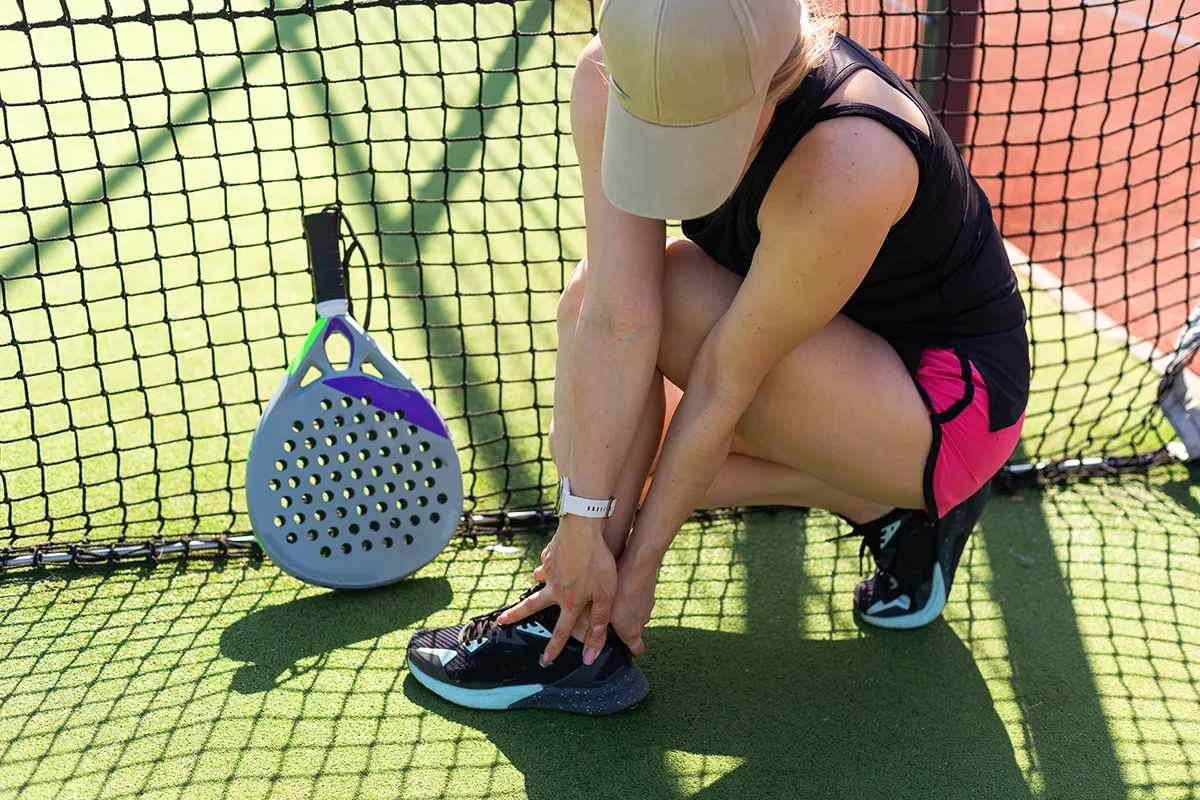
Pickleball is having a real moment in Boise. It is social, fast to learn, easier to start than tennis, and just competitive enough to make “one more game” sound like a sensible idea. For many people, that is exactly why it works. It gets you moving, outdoors, and connected with friends.
But pickleball is still a sport. The court is smaller, the paddle is lighter, and the game feels friendly, but your knees, ankles, Achilles tendons, shoulders, elbows, and wrists are still doing quick starts, sudden stops, lunges, pivots, reaches, and fall recovery. That combination can create injuries, especially when people ramp up too quickly or return to play after years away from regular sport.
At Catalyst Orthopaedics & Sports Medicine in Boise, we see both sides of the pickleball story. We want people moving. We also want them to understand when a sore joint is normal post-game stiffness and when it needs a closer look.
Why pickleball injuries are becoming more common in Boise
The simplest answer is that more people are playing. Boise Parks and Recreation has recognized growing demand for pickleball courts, and local players are making it clear that the sport is not a passing fad. Across the country, the same pattern is playing out. More places to play, more organized events, more memberships, and more regular players mean more time on court.
That is mostly good news. Pickleball gives active adults a way to build fitness, balance, coordination, and community. The injury problem is not that pickleball is “bad.” It is that the sport can feel easier on the body than it really is.
The movements are short and sharp. You shuffle sideways, split-step, twist, lunge for a dink, backpedal for a lob, then reach overhead. Those motions ask a lot from the lower body and the shoulder girdle. If strength, flexibility, balance, or reaction time are not ready for that pace, small aches can become bigger problems.
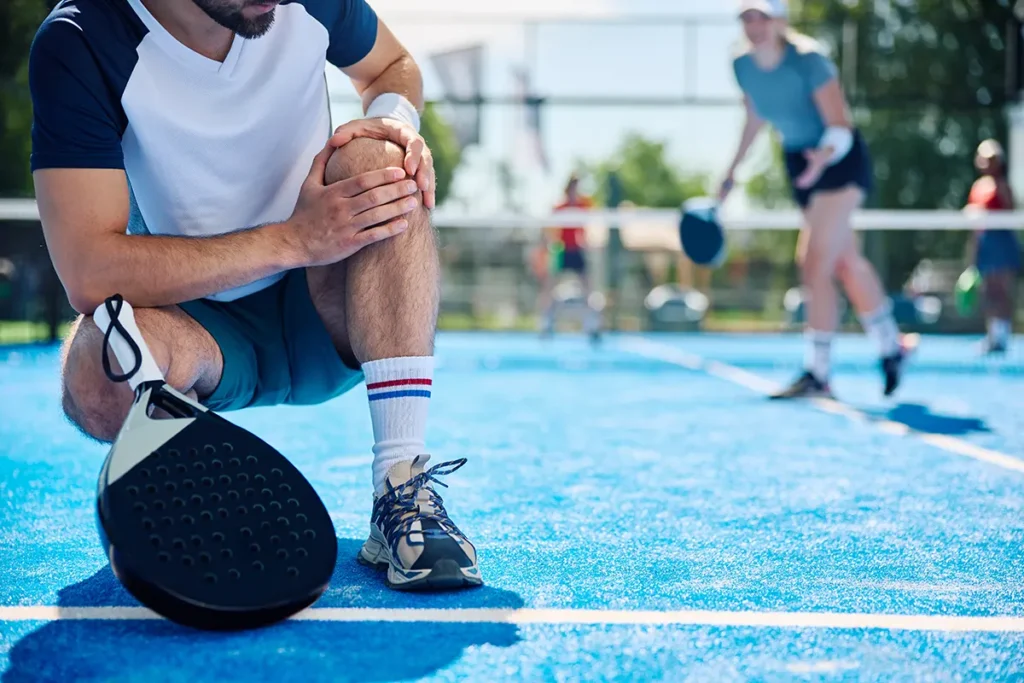
The most common pickleball injuries orthopaedic surgeons see
Ankle sprains
Ankle sprains are one of the most common court-sport injuries. In pickleball, they often happen when a player lunges for a ball, lands on the outside of the foot, or changes direction before the ankle is ready.
A mild sprain may settle with rest, compression, and a gradual return to movement. A more serious sprain can damage the stabilizing ligaments on the outside of the ankle. If the ankle keeps swelling, bruises heavily, feels unstable, or you cannot walk normally, it is worth being evaluated.
One of the biggest mistakes is returning too soon because “it is just a sprain.” Repeated ankle sprains can lead to chronic instability, tendon irritation, and long-term joint pain.
Achilles tendinitis or rupture
The Achilles tendon connects the calf muscles to the heel bone. It works hard during quick push-offs and sudden lunges. Pickleball can irritate the Achilles when players increase frequency quickly, play long sessions on hard courts, or skip warm-ups.
Achilles tendinitis often feels like stiffness or soreness at the back of the heel, especially at the start of activity or the morning after play. It may warm up during a game and then ache later.
An Achilles rupture is different. Some patients describe a pop or the feeling of being kicked in the back of the leg. Walking becomes difficult, and pushing off the toes may be impossible. That is not a “wait and see” injury. It needs prompt medical evaluation.
Knee pain and meniscus irritation
Pickleball knees do a lot of work. They bend, rotate, absorb force, and help you stop quickly. Knee pain may come from arthritis, patellar irritation, tendon overload, ligament injury, or a meniscus tear.
The meniscus is a C-shaped cartilage cushion inside the knee. Twisting on a planted foot can irritate or tear it. Some people feel sharp pain along the joint line. Others notice swelling, catching, clicking, or a sense that the knee does not fully trust itself.
Not every meniscus tear needs surgery. Many can be treated with physical therapy, activity changes, injections when appropriate, and careful strengthening. But if the knee locks, gives way, swells repeatedly, or pain keeps you off the court, an orthopaedic evaluation can help you avoid guessing.
Shoulder pain
Pickleball does not require the same overhead load as tennis, but the shoulder still works hard. Serves, smashes, reaching volleys, and awkward backhand positions can irritate the rotator cuff or the biceps tendon.
Shoulder pain that only appears after a long session may respond to rest, better warm-ups, and strength work. Pain that wakes you at night, causes weakness, or makes overhead motion difficult deserves attention.
The rotator cuff is a group of four tendons that helps lift and stabilize the shoulder. In active adults, cuff irritation can often improve without surgery. Larger tears, traumatic injuries, and persistent weakness may need imaging and a more specific plan.
Tennis elbow, or “pickleball elbow”
Despite the name, tennis elbow is common in pickleball. It causes pain on the outside of the elbow, usually from repeated gripping and wrist extension. Players may feel it when lifting a coffee mug, shaking hands, opening a jar, or hitting backhands.
Early care includes reducing painful load, checking paddle grip size, improving mechanics, and strengthening the forearm gradually. Injections may be considered in some cases, but the main goal is to calm symptoms while rebuilding tendon capacity.
Ignoring elbow pain for months can make it stubborn. Earlier changes usually mean an easier recovery.
Wrist fractures after falls
Falls are a major part of pickleball injury patterns, especially in older adults. A player lunges, trips, or backpedals, then catches themselves with an outstretched hand. That can lead to wrist fractures, hand injuries, shoulder injuries, or even hip injuries.
Wrist pain after a fall should not be brushed aside if there is swelling, deformity, bruising, tenderness, or trouble gripping. Some fractures are subtle at first. Prompt imaging helps avoid missed injuries and delayed healing.
Why active adults over 50 should be extra careful
Many pickleball players are active adults over 50, and that is one of the best things about the sport. It keeps people moving, social, and competitive. But the body changes with age. Tendons may be less forgiving. Bone density can decrease. Balance and reaction time may shift. Recovery between sessions may take longer than it used to.
None of that means you should stop playing. It means your preparation matters more.
A player in their twenties may get away with a rushed warm-up and three hard days in a row. A 58-year-old who does that after a quiet winter may end up with Achilles pain, knee swelling, or a calf strain by Thursday.
The goal is not fear. The goal is pacing.
Normal soreness vs a warning sign
Many pickleball players are active adults over 50, and that is one of the best things about the sport. It keeps people moving, social, and competitive. But the body changes with age. Tendons may be less forgiving. Bone density can decrease. Balance and reaction time may shift. Recovery between sessions may take longer than it used to.
None of that means you should stop playing. It means your preparation matters more.
A player in their twenties may get away with a rushed warm-up and three hard days in a row. A 58-year-old who does that after a quiet winter may end up with Achilles pain, knee swelling, or a calf strain by Thursday.
The goal is not fear. The goal is pacing.
Some soreness after pickleball is normal, especially if you are new to the sport or played longer than usual. Normal soreness usually feels broad, mild to moderate, and improves over a day or two.
Warning signs are different.
Call for an evaluation if you notice:
- Pain that is sharp, worsening, or focused in one spot
- Swelling that appears quickly or keeps coming back
- A pop at the time of injury
- Trouble bearing weight
- A knee, ankle, or shoulder that feels unstable
- Numbness, tingling, or weakness
- Night pain that keeps waking you
- Pain that has not improved after a week of sensible rest
If your body keeps sending the same message, listen before it starts shouting.
What to do in the first 48 hours after a pickleball injury
The first two days are about calming things down and avoiding the “maybe I can play through it” trap.
Start with relative rest. That does not always mean complete bed rest. It means stop the activity that caused the pain and avoid testing the injury over and over. Use ice for swelling or pain. Compression can help with ankles and knees. Elevation may reduce swelling after lower-leg injuries.
If walking is painful, use support and avoid limping around for days. A limp can create new problems in the hip, back, or opposite leg. Over-the-counter anti-inflammatory medication may help some patients, but it is not right for everyone. If you have kidney disease, stomach ulcers, blood thinner use, or other medical concerns, ask a clinician before taking it.
Most importantly, do not use pain relief as permission to return too soon. Pain may quiet down before the tissue is ready.
When to see an orthopaedic surgeon
You do not need to see a surgeon for every ache after pickleball. Many mild strains and sore joints improve with rest, therapy, and smart load management.
But an orthopaedic sports medicine specialist can help when the diagnosis is unclear, symptoms are not improving, or the injury affects your ability to play, work, sleep, or move normally.
Schedule an evaluation if:
- You cannot bear weight after an injury
- Swelling appears quickly after a twist or fall
- Your knee locks, catches, or gives way
- Your ankle keeps rolling or feels unstable
- You felt a pop in the Achilles or calf
- Shoulder pain causes weakness or night pain
- Elbow pain persists despite rest and grip changes
- Wrist pain follows a fall
- Symptoms last more than a week without meaningful improvement
Seeing an orthopaedic surgeon does not mean you are signing up for surgery. Often, it means you get a clearer diagnosis, better rehab direction, and a plan to return safely.
How Catalyst helps players get safely back on court
At Catalyst Orthopaedics & Sports Medicine, we start with the question that matters most: what do you want to get back to?
For one patient, the goal may be tournament pickleball three times a week. For another, it may be doubles once a month without knee swelling afterward. The right treatment plan depends on the injury, your health, your goals, and the demands you want to place on your body.
Care may include:
- A focused exam and imaging when needed
- Physical therapy built around strength, balance, and movement quality
- Bracing or taping for short-term support
- Injections when appropriate for inflammation or arthritis
- Minimally invasive surgery when structural repair is the best option
- Fracture care for wrist, ankle, shoulder, or other fall-related injuries
- Return-to-sport guidance so you do not rush the final steps
Our approach is practical. We do not want to over-treat soreness, and we do not want to under-treat a real injury. The goal is to help you return with confidence, not just cross your fingers and hope the next game goes better.
A quick example from clinic
A 62-year-old Boise player starts pickleball after a friend invites him to a weekly group. He loves it immediately and goes from one session a week to four. After a few weeks, his right Achilles feels stiff in the morning. He warms up during games, so he keeps playing. Then he feels a sharp pull during a lunge and has to stop.
In clinic, we check strength, tendon tenderness, ankle motion, calf flexibility, and walking pattern. If the tendon is intact, the plan may be a structured rehab program, heel lifts for a short period, calf strengthening, and a slower return to court. If there is concern for a tear, imaging helps guide the next step.
The lesson is simple: early Achilles pain is useful information. Treated early, it may be a speed bump. Ignored long enough, it can become a season-ending problem.
How to reduce your risk before the next match
Pickleball prevention does not need to be complicated. It needs to be consistent.
Warm up for five to ten minutes before playing. Walk briskly, side-step, do gentle lunges, and practice a few controlled court movements before the first competitive point. Strength train two or three times a week, with attention to calves, quads, hamstrings, hips, core, shoulders, and forearms.
Build playing time gradually. If you have been inactive, do not jump straight into back-to-back competitive sessions. Good shoes matter too. Court shoes provide better side-to-side support than running shoes, which are built mostly for forward motion.
Finally, respect recovery. Fatigue changes footwork. Poor footwork leads to awkward lunges, falls, and late reactions. Many injuries happen near the end of play, when the brain still wants the ball but the legs are negotiating a resignation letter.
Learn more from our surgeons
For additional surgeon perspectives on orthopaedic sports medicine care, you can also visit Dr. Tracye Lawyer’s site and Dr. Kaitlin Neary’s site. Both are part of the broader Catalyst orthopaedic sports medicine network and provide helpful context on injury care, recovery, and treatment planning.
You can also explore Catalyst’s related pages on ankle sprains, Achilles injuries, knee pain, meniscus tears, shoulder care, elbow pain, fracture care, injections, and minimally invasive orthopaedic surgery.
If pickleball pain is keeping you off the court
Pickleball should keep you active, not stuck on the sidelines. If pain, swelling, instability, or weakness is limiting your game, schedule an evaluation with Catalyst Orthopaedics & Sports Medicine in Boise. We will help you understand what is going on, what your options are, and how to return to the court safely.
Meet Our Specialists
Dr. Kaitlin Neary is a fellowship-trained surgeon in Boise, working alongside Dr. Tracye Lawyer to provide Idaho athletes with the most advanced sports medicine and orthopedic care available. To schedule a consultation, contact Catalyst Orthopaedics today.
Updated May 2026 / Kaitlin C. Neary, MD, FAAOS is a fellowship-trained Orthopaedic foot and ankle surgeon at Catalyst Orthopaedics & Sports Medicine in Boise, Idaho.
FAQs
What is the most common pickleball injury?
Ankle sprains, tendon strains, knee pain, elbow pain, and fall-related wrist injuries are all common. Studies of emergency department data have also found fractures and sprains to be frequent injury categories.
Why does my Achilles hurt after pickleball?
Pickleball involves quick starts, lunges, and push-offs. These movements load the Achilles tendon. Pain may come from tendinitis, tendinopathy, calf tightness, or, in more serious cases, a partial or complete tear.
When should I see a doctor for pickleball knee pain?
Get evaluated if your knee swells, locks, catches, gives way, or hurts for more than a week despite rest. You should also be seen after a twisting injury with a pop or rapid swelling.
Can I keep playing with an ankle sprain?
Mild sprains may settle with rest and rehab, but playing too soon can lead to repeated sprains and chronic instability. If you cannot walk normally, have significant swelling, or feel unstable, stop playing and get checked.
Is pickleball safe for adults over 50?
Yes, for many people. It can be a great way to stay active. The key is building up gradually, warming up, using supportive shoes, strength training, and taking persistent pain seriously.
Does seeing an orthopaedic surgeon mean I need surgery?
No. Orthopaedic sports medicine care often starts with non-surgical treatment such as physical therapy, bracing, activity modification, and injections when appropriate. Surgery is considered when the injury pattern or symptoms make it the best option.